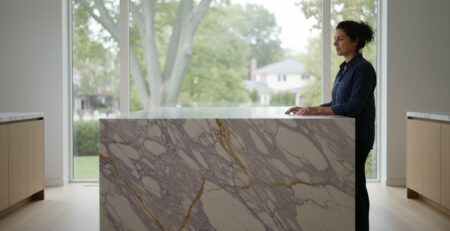

Removing Water Stains from Marble: A Safe, Step-by-Step Guide
What if the mark you’re trying to clean isn’t a stain at all? A pale ring on marble may be mineral residue, moisture-related darkening, or etching that has changed the surface itself. That uncertainty makes removing water stains from marble feel risky: an abrasive scrub or acidic household cleaner can leave a lasting change where a gentle approach might have helped.
Pause before treating the stone. The right method depends on what caused the mark and how it has affected the marble’s finish. This guide will help you distinguish a possible surface deposit from darkening or etching, then choose a cautious next step. You’ll also learn how to dry and care for the surface to reduce recurring water marks, and when to stop cleaning because the finish may have changed. With a little diagnosis and patience, you can protect the natural variation and character that make marble distinctive.
Key Takeaways
- A ring, cloudy patch, or pale mark can have several causes, so identify the mark before choosing how to treat it.
- Mineral residue may sit on the surface, while moisture-related darkening or etching can involve the stone or its finish.
- For removing water stains from marble, begin gently: dust the area, then use a pH-neutral marble-safe cleaner and a soft cloth according to its directions.
- A powdery or raised mark may suggest residue, but appearance alone isn’t proof. Avoid abrasive scrubbing and acidic household cleaners.
- Wipe splashes promptly and dry the surface after cleaning. Sealing may help reduce absorption when appropriate, but won’t prevent etching or every mark.
What water stains on marble look like, and why identification comes first
A ring beside a glass, a cloudy patch near the sink, or a pale mark on a marble countertop can be unsettling, especially when the stone is an important part of your home. The instinct may be to reach for a stronger cleaner or scrub until the mark fades. Pause first. Similar-looking marks can have different causes, and the wrong treatment may affect the finish without resolving the problem.
A marble water mark is a visible change after contact with water that may be surface residue, moisture-related darkening, or a change to the stone’s finish. The phrase describes what you see, not a confirmed diagnosis, and it doesn’t mean every mark can be cleaned away. Identifying the mark before choosing a cleaner or treatment is the safest starting point for removing water stains from marble.
A short demonstration can provide visual context, but treat any suggested method as general guidance rather than a diagnosis of your particular surface.
What people mean when they describe a water stain
In everyday use, “water stain” may mean a circular ring, a cloudy haze, a whitish film, powdery-looking residue, or a darker area. These descriptions are useful observations, but they don’t establish the cause. A pale mark might be material left on the surface, while a dark patch may reflect moisture in or beneath the finish. Even a photo can’t reliably show how the mark feels or whether its sheen changes as the stone dries.
Notice the mark’s location, outline, texture, and appearance in changing light. A raised or powdery area could be residue, but it isn’t proof. Avoid scraping or applying a cleaner just to “test” it. Those actions can damage the surface and make the original condition harder to assess.
Why marble needs a measured cleaning approach
Marble is a natural stone composed largely of calcite, a mineral form of calcium carbonate. Its mineral structure and surface characteristics help explain why it needs considered care; marble’s composition and properties are described in more detail by Wikipedia. Abrasive pads can scratch or dull a finish, while acidic cleaners can react with calcium carbonate and leave a dull spot. A product that works on another household surface may not be appropriate for marble.
That distinction matters: gentle cleaning may lift material resting on the surface, but it won’t undo etching. Etching changes the marble’s surface, rather than leaving dirt on top of it. If a mark remains after cautious cleaning, or appears dull or uneven compared with the surrounding finish, stop rather than escalating to harsher chemicals or more force. The next sections explain how to assess the signs and choose a careful next step.
How water leaves marks on marble: deposits, moisture, and surface changes
Water can leave a mark in more than one way. A droplet that dries on the surface may leave minerals behind; moisture may also temporarily darken stone, while an acidic liquid can alter the finish. These processes can create similar-looking rings, but they call for different responses. Understanding what may have happened helps prevent a cleaning attempt from turning a minor mark into visible surface damage.
Mineral deposits left behind as water dries
Hard water contains dissolved minerals, including calcium and magnesium. The U.S. Geological Survey explains that these minerals contribute to water hardness. After water evaporates, minerals can remain as scale or a pale film on a surface. On marble, a deposit may look chalky or hazy and may sit above the finish rather than changing its sheen. That difference can be subtle, so appearance alone isn’t conclusive.
A deposit and an etch are not the same: mineral residue rests on the surface, while etching alters the marble’s finish. If you suspect residue, avoid scraping it or rubbing hard. Pressure and abrasive tools can scratch or dull polished stone, and a mark that doesn’t lift with gentle care may not be residue at all.
Moisture darkening and etching are not the same problem
A darker patch after a spill may be moisture-related, but its appearance doesn’t confirm that moisture has entered the stone or show how long the change will last. Observe whether the area changes as it dries, and avoid applying heat or stronger chemicals to force a result. The marble’s natural pattern and finish can also make a localized change look more pronounced.
Etching is different. Marble contains calcite, a mineral that can react with acids; the Natural Stone Institute cautions against acidic cleaners such as vinegar and lemon juice for this reason. An etched area may look pale, cloudy, or dull, much like a water ring, but it isn’t a deposit that can be wiped away. Cleaning can remove surface soil, not restore a finish that has been altered.
Notice the surface as well as the color. If the area feels rough or looks matte compared with nearby stone, stop cleaning rather than increasing pressure or switching to a harsher product. Changes in sheen are especially apparent when light falls across the surface at a low angle. This can help you decide whether to stop, but it can’t confirm the cause.
This distinction is central to removing water stains from marble safely: a suspected deposit may respond to gentle, suitable cleaning, while moisture-related darkening and etching shouldn’t automatically be treated as dirt. If you’re planning a marble surface, careful selection of the stone and finish matters as much as considered care. Explore Richmond Stone’s natural-stone options when considering marble for a future project.
Water stain, mineral deposit, or etch? Compare the signs before cleaning
A mark’s appearance can narrow the possibilities, but it can’t confirm what happened to the stone. Start with observation, not treatment. Compare the area with nearby marble in good light, noting its color, outline, texture, and sheen. The distinctions below are clues only; natural veining, finish, and lighting can affect what you see.
| What you notice | What it may indicate | Safest first response |
|---|---|---|
| Whitish film, powdery appearance, or slight raised residue | A surface deposit, possibly mineral residue | Inspect without scraping; if the finish looks unchanged, proceed only with gentle, marble-safe cleaning. |
| Darker patch after a spill or splash | Possible moisture-related darkening or another mark in or beneath the finish | Allow the area to dry naturally and observe; don’t apply stronger products to force a change. |
| Pale or cloudy area with a dull, matte sheen | Possible etching or another change to the surface finish | Stop cleaning if the sheen differs from the surrounding stone; don’t continue with routine cleaning if it persists. |
Clues that may point to a surface deposit
A visible film or a powdery, slightly raised look may point to material resting on the surface, especially if the surrounding finish appears consistent. Neither clue proves the mark is a deposit. Examine it under bright, indirect light, then at a low angle to compare sheen. Don’t test it with a fingernail, blade, abrasive pad, or forceful rubbing; these can scratch the stone or disturb the finish.
Clues that may point to etching or a deeper mark
A dull or lighter patch may signal etching rather than residue, particularly if it looks different as light moves across the countertop. A persistent dark mark also deserves caution: surface residue is only one possibility, and color alone can’t establish the cause. Don’t repeat a treatment with stronger chemicals or greater pressure if the marble’s appearance changes or the mark remains.
Texture and sheen can help guide your judgment, but they aren’t definitive tests. A deposit may be difficult to distinguish from a finish change, and marble’s natural pattern can complicate comparisons. Note how the spot looks before cleaning, and check whether it changes after the surface is dry. This gives you a better basis for deciding whether gentle cleaning is reasonable.
Stop DIY treatment if the mark is uncertain, persistent, or worsening. The same applies if cleaning leaves the area dull, rough, or visibly different from the surrounding marble. Continuing to experiment can compound the damage and make the original condition harder to assess. For removing water stains from marble, a careful pause is often safer than escalating to a more aggressive method. The next step should match the surface, not just the name given to the mark.

How to remove suspected water stains from marble safely
Once you’ve considered whether the mark may be residue, darkening, or a change to the finish, keep the first cleaning attempt simple. The aim is to remove loose soil without altering the marble. Use a product specifically suitable for marble, and follow its label rather than improvising a stronger treatment.
A gentle first-cleaning sequence
Work in order and stop if the surface changes. Keep the area clear so you can see the mark and compare its finish before and after cleaning.
- Clear and inspect. Move nearby items, then examine the mark in good light. Note its outline and sheen before you begin.
- Dust gently. Use a clean, soft cloth to lift loose dust or grit. Don’t rub over particles that could scratch the surface.
- Choose a marble-safe cleaner. Select a pH-neutral product labelled for marble. Test it in an inconspicuous area, following the product label and applicable marble-care guidance.
- Clean as directed. Follow the manufacturer’s instructions for dilution and application. Use a soft cloth with light pressure, and don’t leave cleaner pooled on the stone.
- Rinse and dry as directed. Remove cleaner residue as instructed on the label, then dry the surface with a clean, soft cloth. Check the area again once it’s dry.
The Natural Stone Institute recommends pH-neutral cleaners, stone soap, or a mild liquid dishwashing detergent with warm water for marble care. A product’s general “stone-safe” wording isn’t a reason to assume it suits every marble finish. Read the label and follow any care directions supplied for the surface.
When a poultice or stronger treatment is not a DIY shortcut
A poultice is designed to draw certain substances out of stone, but the appropriate product and instructions depend on the suspected mark and marble-care guidance. Don’t assume one recipe or application time suits every situation, and don’t layer treatments. If gentle cleaning doesn’t help, or the mark may be etching, stop rather than escalating at home.
Avoid vinegar, lemon juice, citrus-based or other acidic cleaners, abrasive powders, rough pads, and improvised chemical mixtures. Acid can etch marble, while abrasives may scratch or dull its finish. Never mix cleaning products; use only one product according to its label.
Stop immediately if the marble looks dull, changes color, feels different, or the mark persists after gentle cleaning. Repeating the same attempt with more pressure or a stronger cleaner can make the finish harder to restore. Careful, limited cleaning is the sounder approach to removing water stains from marble when the mark appears compatible with surface residue.
If you’re planning a marble surface and want guidance on choosing natural stone for your project, explore marble countertop options with Richmond Stone.
Prevent recurring marble water marks and know when to seek stone expertise
A steady care routine can reduce the chance of repeat spots, though no routine can prevent every mark. Marble’s finish, the source of the water, and how long moisture remains on the surface all matter. Wipe splashes promptly, dry the area after cleaning, and take note if the same spot keeps returning. Prevention begins with small, consistent habits.
A simple routine to reduce water marks
Pay attention to places where water tends to collect, such as beside a sink, around a faucet, or beneath a frequently used glass. Coasters and trays can help keep drips and standing water from lingering on the stone. Keep a clean, soft cloth nearby for quick wipe-ups.
- Blot spills and splashes promptly instead of letting water pool or air-dry.
- After cleaning, remove any remaining moisture with a soft cloth so water and cleaner don’t sit on the surface.
- Use only products labelled as suitable for your particular marble surface, following the directions on the label.
Sealing may reduce absorption when it’s appropriate for the stone and its finish, but it isn’t a shield against every mark. It won’t prevent etching caused by acidic substances, and it can’t guarantee that water spots or other changes won’t occur. Treat sealing as one part of considered marble care, not a substitute for wiping spills or using suitable cleaning products.
When to stop cleaning and consider expert stone guidance
Stop repeated treatment if the finish looks dull, feels rough, changes color, or becomes visibly different from the surrounding marble. Persistent darkening, recurring marks, or an uncertain cause are also good reasons to pause. Further cleaning may not address the underlying issue, especially if the mark involves a change to the finish rather than material sitting on it. When the cause is unclear or the finish appears altered, routine cleaning is no longer the right next step.
Richmond Stone has worked with custom stone and natural-stone materials, including marble countertops, for over 30 years. That experience is relevant when selecting marble for a future project and considering how its natural variation and finish will suit your space. It doesn’t mean every water mark can be resolved through routine cleaning.
If you’re planning a marble project or would like a free estimate, contact Richmond Stone at (347) 215-2719 or visit the showroom at 2400 Arthur Kill Rd, Staten Island, NY 10309. Richmond Stone supplies, templates, fabricates, and installs custom natural-stone and quartz countertops across Staten Island, New York City, and metro New Jersey. For a material purchase, confirm inventory and availability with a salesperson, as availability may change.
The best approach to removing water stains from marble is measured: prevent standing water where you can, clean only with products suited to the surface, and stop when the finish changes or the cause remains uncertain. Marble’s appeal lies in its individual character; careful attention helps preserve that character over time.
Choose marble with confidence for the years ahead
Natural stone brings distinctive character to a room, and choosing it well begins with considering how the surface will fit your daily routines. Think about where water is likely to collect, how often the area will be used, and which finish feels right for your space. These details can help you make a considered choice and care for the stone with confidence.
If you’re removing water stains from marble, a measured approach protects more than the surface: it helps preserve the qualities that drew you to the stone in the first place. For marks that remain uncertain or seem to involve a changed finish, pause before trying another treatment. The right next step is informed care, not greater force.
For a future project, explore Richmond Stone’s marble and natural-stone surfaces and consider how each material can shape your home. With thoughtful selection and attentive care, marble can bring enduring natural beauty to the spaces you value most.
Frequently Asked Questions
Can water permanently stain marble?
Sometimes, but a mark left after water contact isn’t necessarily a permanent stain. Mineral residue may sit on the surface, while a darkened area or dull patch can have another cause and may need a different response. The result depends on the marble, its finish, and what created the mark. If gentle cleaning with a marble-safe product doesn’t help, stop rather than intensifying treatment.
Is vinegar safe for removing water stains from marble?
No. Vinegar is acidic and can etch or dull marble instead of removing a surface deposit. The same caution applies to lemon juice and acidic household cleaners, even if the mark looks like ordinary hard-water buildup. For removing water stains from marble, choose a cleaner labelled for marble and follow its directions. Test it cautiously in an inconspicuous area first, and don’t combine it with other cleaning products.
Can I use baking soda on a marble water stain?
Don’t assume baking soda is suitable for every marble surface. A powder or paste may be abrasive, and rubbing it can affect the finish, particularly on polished stone. A poultice is a different kind of treatment, but the product must suit the suspected mark and be used according to its instructions. Begin with a soft cloth and marble-safe cleaner; if the mark remains, pause before trying an improvised remedy.
Does sealing marble prevent water stains?
No. Sealing may reduce absorption when it’s suitable for the particular stone, but it won’t make marble stain-proof, prevent etching, or remove a mark that’s already present. Follow the care recommendations supplied for your surface to determine whether sealing is appropriate. In the meantime, wipe up water promptly. If a mark appears, consider its likely cause before deciding that applying more sealer is the answer.
What should I do if a marble water ring remains after cleaning?
Stop repeating the treatment, especially if the area looks dull, feels different, or changes color. A persistent ring could be etching, a deeper stain, or another surface condition, rather than residue that needs more cleaning. Photograph it in even light and note which products you used and when. Avoid attempting a poultice, abrasive polish, or stronger cleaner without clear care instructions for the marble.
Can hard water leave marks on a marble countertop?
Yes. As hard water evaporates, dissolved minerals may remain as a visible film or deposit on the countertop. That surface residue is different from etching, which changes the marble’s finish. Use a soft cloth and a cleaner labelled for marble, following its directions. Avoid acidic descalers: although they’re intended to dissolve mineral buildup, their acidity can dull or etch marble. If the finish looks altered, stop cleaning.