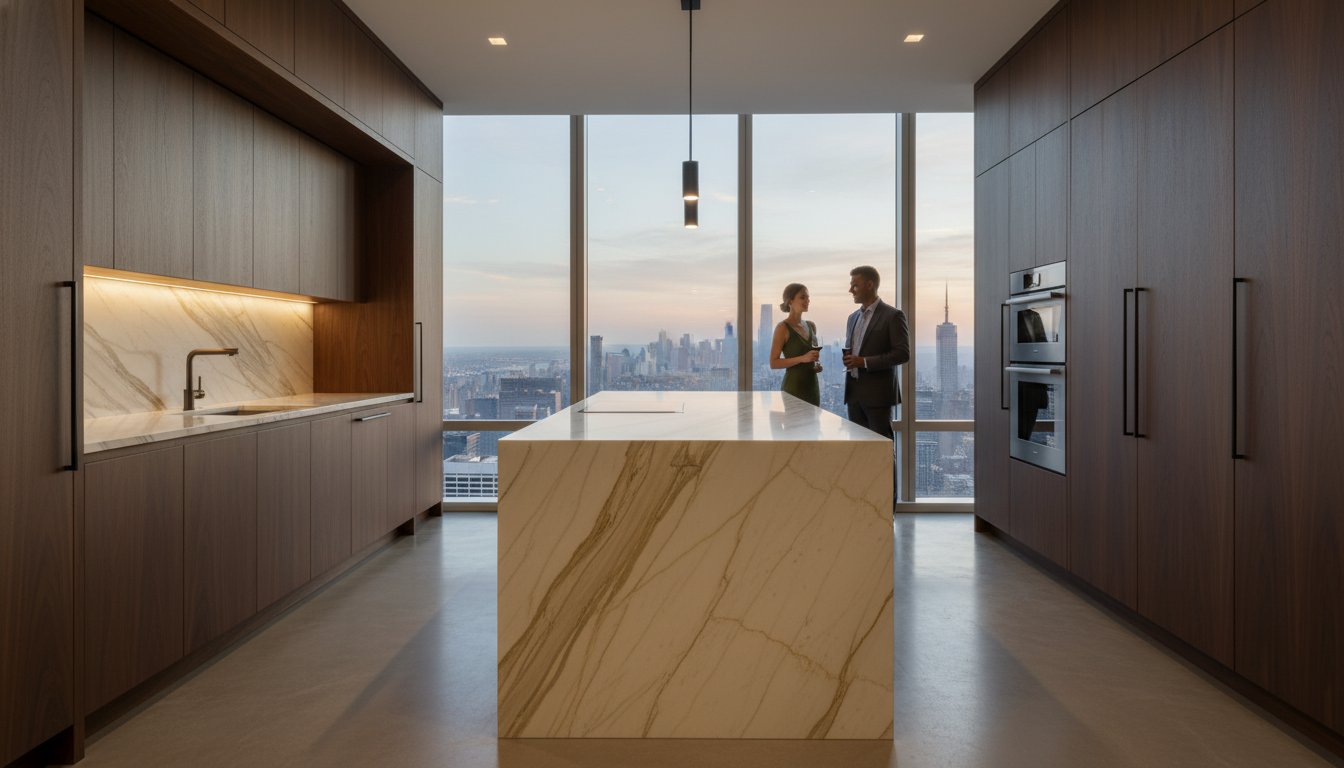

Stone Supplier in Staten Island for Materials, Pricing and Delivery
Choosing a stone supplier in Staten Island involves more than appearance. Material, project dimensions, finish, and site access all shape the decision. Pricing depends on the stone and scope of work, while delivery planning accounts for the site and the pieces being transported. A thoughtful selection brings these details together before the stone becomes part of your home.
It’s natural to want a clear picture of the materials available, where to view them, and how a stone project moves from selection to installation. This guide covers natural stone options, Staten Island showroom access, pricing factors, delivery planning, and project examples to help you plan with confidence.
A kitchen countertop, fireplace surround, or outdoor entertaining area each calls for its own balance of character and practicality. Consider the requirements of each application so the finished space feels personal and well planned.
Key Takeaways
- Compare natural stone by its visual character and how it will serve the room, then narrow choices to suit the project.
- Use showroom and yard visits to assess stone in person and consider how its appearance may shape the finished space.
- Plan delivery around the material, project dimensions, and site access, since these details influence logistics and overall cost.
- Explore how kitchen, bathroom, and fireplace applications call for different design and material considerations.
- Review project examples and customer feedback for ideas on how stone selections can translate into distinctive, lasting interiors.
Customer reviews and project examples
Customer reviews can show how a stone project unfolds beyond the finished photograph. Look for comments about material selection, communication, fabrication details, and whether the completed work matched the agreed design. A review describing a kitchen island’s veining or edge profile offers more useful context than a general rating alone.
Compare project examples by application and detail. A broad countertop, narrow window ledge, and fireplace surround each call for different measurements and finishing choices. Photos can help you assess how seams, edges, and natural patterns work together, while a written description may explain details hidden from view.
This Old House’s paver guide offers a useful visual reference for comparing bluestone, brick, and concrete pavers.
Custom stone cuts turn a design into precise pieces for the intended space. A curved island edge, angled backsplash, or shaped fireplace opening shows why measurements matter. Bring a drawing or dimensions to the selection stage, then review how the stone’s natural pattern will align across adjoining sections.
Custom CNC stone cutting uses computer-guided equipment to shape stone from a digital design. It can create detailed profiles, repeated components, and cutouts planned for a specific layout. The design file, measurements, and material all affect the result, so review the intended shape before fabrication begins.
Customer reviews are most useful when they include project specifics. Look for the material, room or feature, and details about the process. A review describing a countertop’s cutout placement or a paver project’s layout can suggest questions for your own plan. Treat photos as examples, not templates: each slab’s veining and color variation are distinct.
One historical example adds context to New York stonework: Joe Pietrangelo Sr. moved to New York City in 1964 to apply his stoneworking talent there. For a project today, use examples to identify the details you value, then record dimensions, preferred edges, and pattern direction before final selection.
For Staten Island, permit requirements vary by project. Delivery logistics are different from construction work, and requirements for an outdoor installation depend on the scope and location. Identify whether plans affect a building, property line, drainage, or public space, then determine the applicable local review before work begins.
Natural stone materials for residential and commercial projects
A stone supplier in Staten Island may offer granite, marble, quartzite, soapstone, travertine, onyx, and limestone. Slabs, countertops, pavers, and landscaping stone serve different purposes, so match the material and format to your project.
A stone supplier in Staten Island can help narrow material choices by application. A kitchen surface, commercial entry, and outdoor path each call for different design decisions. Compare the stone’s appearance and the finished product’s role before making a selection.
Natural and Man-Made Stone Supply
Natural stone forms through geological processes, so granite, marble, and limestone can show distinctive mineral patterns. Engineered quartz is a manufactured alternative for countertop designs. Compare appearance, finish, and intended use. Pronounced marble veining, for example, can create a focal point, while a more consistent quartz design may suit a restrained interior palette.
When reviewing natural stone, consider how pattern and color vary across a full slab. A small sample can suggest the overall palette, but a broader view reveals movement that may continue across a long counter or reception surface. Relate the stone to nearby cabinetry, flooring, and wall finishes.
Pavers and Stone Product Options
Natural stone pavers bring variation in tone and texture to patios, paths, and outdoor living areas. Bluestone, brick, and concrete pavers create different visual effects. Consider the layout, joint pattern, and transition to neighboring surfaces. A simple garden path can complement planting, while a terrace may call for a more defined pattern.
Residential and commercial settings also differ in scale and use. A private patio may center on a quiet, irregular pattern, while a business entrance may call for a consistent layout that guides visitors toward the door. Sketch the area and note adjoining materials before comparing options.
Slabs, Countertops, and Landscaping Stone
Slabs can be fabricated into countertops and other interior surfaces. Consider veining, edge profile, seams, and how the pattern reads across the planned surface. Landscaping stone supports outdoor designs such as paths and gathering areas. Keep the project’s purpose in view so the product format suits the intended layout.
For a kitchen, compare granite, marble, quartz, quartzite, or soapstone countertops with cabinet color and backsplash choices. A commercial reception counter may benefit from a pattern that complements the wider interior palette. In either setting, dimensions and cutouts shape how a slab becomes a finished surface.
Before making a selection, gather project dimensions, finish preferences, and notes about surrounding materials. For a countertop plan, include sink placement and edge details. To explore granite and quartzite countertop options, consider how each surface will relate to the room’s design.
Staten Island showroom and yard locations
For Staten Island projects, compare stone suppliers by showroom access, yard access, and service to the borough. A showroom supports close inspection of samples and finishes; a yard is useful for viewing larger pieces and materials. Choose the visit that matches the decision you need to make.
Start with the project address and the material you want to see. Then map the showroom or yard against your route and consider how a large slab or outdoor stone selection will be reviewed. A kitchen renovation, for example, calls for close attention to surface color and veining, while a patio plan benefits from seeing paver textures and tones together.
Showroom and shop location
A showroom helps you compare samples under interior lighting and assess how colors relate to cabinetry, flooring, and wall finishes. A yard is better suited to viewing larger stone pieces, where pattern movement and variation become clearer. Before visiting, write down the room or outdoor area, preferred material, finish, and dimensions. That preparation keeps the visit focused on decisions tied to your project.
Location is only one part of the visit. Consider what you need to evaluate and bring the relevant plans or measurements. For a countertop, a cabinet color sample can help you judge contrast; for an exterior path, a photo of the surrounding landscape can clarify the palette. A short list of priorities makes comparisons between locations more practical.
Mobile showroom service
Review material samples in the setting where the stone will be used. Seeing a sample beside existing cabinetry or outdoor paving can reveal how daylight and nearby colors influence its appearance. Compare samples against fixed elements, then record your preferred finish and placement. A small sample is useful, but it does not replace reviewing a full slab.
For a Staten Island home, compare a sample near the kitchen window and under evening lighting. For a commercial entry, assess it beside the flooring and wall finishes. These steps connect the showroom choice to the conditions where the stone will be seen.
To identify which suppliers serve Staten Island, focus on the locations and services relevant to your project: a showroom for sample review, a yard for larger material viewing, or a mobile showroom for on-site comparison. Note the destination, the material to inspect, and any measurements or samples you’ll bring. This gives each visit a clear purpose without confusing a display location with delivery coverage.
Keep a concise record after each visit. Write down the material name, finish, location viewed, and the details that stood out. For example, note whether a stone’s pattern worked beside the selected cabinet color or whether paver tones suited the landscape. These observations make it easier to compare options and carry a considered selection into the next project stage.

Inventory, delivery, and pricing
Inventory affects which stone can move from selection to fabrication for a Staten Island project. A slab’s dimensions, pattern, and finish shape its suitability for an island, vanity, or reception counter. For outdoor work, compare the product format with the planned layout. A project list naming each surface helps connect material choices to quantities and fabrication needs.
Natural stone varies in color and veining from piece to piece. Review the actual slab when its pattern matters across a broad surface, such as a kitchen island. For a smaller backsplash, samples may help establish the palette. Record the selected material and finish together to keep design decisions clear as the project advances.
Delivery planning starts with the destination and the form of the material. A large slab requires a different handling plan than smaller pieces for a path. Include the site address, access route, unloading area, and project timing in the delivery plan. Narrow entrances, stairs, limited curb access, or an active commercial site can affect how materials reach the work area.
For a Staten Island home, consider whether a vehicle can approach the property and where stone can be safely received. For a commercial renovation, coordinate the arrival with site access and the work schedule. Keep the path from unloading point to installation area clear. These practical details help the delivery team plan equipment, handling, and placement.
Stone pricing depends on the project and is provided after a quote request; material, dimensions, finish, fabrication, and delivery all influence the final amount. A custom edge or cutout changes the work involved compared with a simple straight profile. A detailed project description helps align the requested quote with the intended design.
- Material: Identify the stone type, finish, and selected slab or product.
- Measurements: Provide dimensions and note cutouts, edges, or unusual shapes.
- Delivery: Describe site access, unloading conditions, and the receiving area.
- Project scope: List each surface or area included in the work.
Compare an estimate against the full scope, not just the material name. Two countertop plans may use similar stone but differ in slab selection, edge treatment, cutouts, and delivery access. A written scope makes those distinctions visible and helps prevent overlooked details from affecting the project plan.
Before finalizing decisions, organize the selected material, dimensions, finish, fabrication details, and delivery conditions in one project record. This gives a homeowner planning a kitchen or a contractor coordinating a commercial interior a clearer path from material selection to installation. Each detail connects the stone to the space, handling plan, and work required.
Kitchen, bathroom, and fireplace projects
A stone feature changes how a room feels and functions. In a Staten Island kitchen, countertop shape, cabinet layout, and backsplash height influence the visual balance. A bathroom vanity has different considerations, including sink placement and usable counter space. A fireplace surround must frame the firebox and relate to the room’s walls, flooring, and furnishings.
For a kitchen, begin with a plan showing the island, sink, cooktop, and cabinet edges. Mark cutouts and overhangs before choosing the slab’s pattern direction. A bold vein can become the island’s focal point, while quieter movement may suit a long perimeter counter. Carry the same design language into a backsplash, or use contrast to define separate surfaces.
In a bathroom, map the vanity top around the basin, faucet, and storage. A narrow vanity may suit a restrained pattern, while a larger surface can reveal more of the stone’s natural character. Consider how the vanity meets the wall and whether a backsplash belongs in the composition. Coordinate its tone with tile, mirror framing, and cabinetry for a composed finish.
A fireplace surround calls for careful alignment. Measure the firebox opening, mantel, and adjoining wall before settling on panel sizes and seams. Veined stone can draw the eye upward when its pattern continues consistently across the surround. A simpler surface can let a sculpted mantel or distinctive furnishings take precedence.
Keep these project details together before fabrication:
- Room plan with measured surfaces, openings, and edges.
- Stone selection and intended pattern direction.
- Cutout locations for sinks, faucets, and cooktops.
- Adjacent finishes, including cabinetry, tile, and flooring.
- Delivery route to the room where the material will be installed.
This preparation connects the slab to the finished room and helps reveal where custom cuts, seams, and edge profiles affect the design. In an open kitchen, the island’s visible sides may matter as much as its work surface. In a bathroom, the junction between vanity and wall deserves equal attention.
For an outdoor kitchen, plan the surface around the layout and the surrounding patio. Keep the intended use, edges, and transitions in view as you develop the design. To shape a kitchen or bath project around a considered stone selection, plan your stone project.
Richmond Stone: Granite Countertops
Richmond Stone helps you turn a countertop plan into a considered material choice, whether you’re shaping a kitchen around granite’s natural pattern or comparing quartz, quartzite, and soapstone. Each offers distinct visual character, so consider how it relates to cabinetry, backsplash, and the room’s light before settling on a direction.
Bring your measurements, layout, and preferred edge details into the discussion. A clear project outline connects material selection with the finished design, from countertop dimensions to cutouts and adjoining surfaces. Richmond Stone can help you develop your countertop project and weigh the options in context.
To discuss your stone countertop project, contact Richmond Stone or visit richmondstone.com.
Shape a stone project with lasting character
A well-considered stone project begins with a clear sense of how you want the space to feel. Choose the qualities that matter most, whether you prefer a quiet, cohesive surface or a striking natural pattern. Carry that intention into each design decision so the finished space feels personal and thoughtfully put together.
If you’re choosing a stone supplier in Staten Island, start with a focused conversation about the room, the look you’re drawn to, and the details that will make the result your own. Richmond Stone offers granite, marble, and quartz countertops, each with a distinct character for a tailored kitchen surface.
Bring your project vision forward and explore the material that best reflects it. Contact Richmond Stone to discuss your countertop plans, and take the next step toward a space with enduring character.
Frequently Asked Questions
Where can I find a stone supplier in Staten Island?
Richmond Stone’s showroom is at 2400 Arthur Kill Rd, Staten Island, NY 10309. A visit can help you compare countertop materials and discuss how a specific surface might suit your project. Bring room measurements, cabinet colors, and notes about sink or cooktop placement. These details make it easier to focus the conversation on suitable materials and the fabrication choices your design requires.
What are typical stone prices in Staten Island, including delivery?
There isn’t one typical price for a stone project because material, dimensions, fabrication, and delivery needs all affect the estimate. Richmond Stone provides free estimates. For a useful quote, describe the surfaces involved, preferred material, edge details, and delivery location. Call (347) 215-2719 or visit 2400 Arthur Kill Rd, Staten Island, NY 10309 to discuss the project scope and estimate.
Which providers coordinate stone delivery and installation?
Richmond Stone provides supply, templating, fabrication, delivery, and professional installation for natural stone and quartz surfaces. This coordinated process can suit homeowners who want their countertop measured and fabricated for a particular layout. If you’re comparing a stone supplier in Staten Island for a renovation, describe the project location and surfaces involved. Call (347) 215-2719 or visit 2400 Arthur Kill Rd, Staten Island, NY 10309 to discuss the work.
How can I compare inventory, pricing, and reviews?
Compare the materials shown, the estimate’s scope, and reviews that describe completed projects. Richmond Stone’s catalogs list 512 granite products, 105 marble products, and 81 quartzite products. Inventory can change, so confirm availability with a salesperson. For a fair pricing comparison, align material, fabrication, delivery, and installation details. Reviews describing a specific surface or project process can offer useful context beyond a rating.
What should I check before buying stone from a supplier?
Before purchase, review the material, finish, measurements, and fabrication details. For a kitchen counter, mark the sink and cooktop cutouts, edge profile, and intended seam placement on the plan. Check the slab’s pattern against the layout, particularly where pieces meet. Keep a written record of your selections and dimensions so the fabricated surface reflects the intended design.
Are minimum orders or delivery charges required?
Minimum-order terms and delivery charges depend on the product and project scope. A countertop surface and a tile order involve different quantities and handling needs, while the delivery route can affect logistics. Richmond Stone provides free estimates. To discuss your project and its delivery requirements, call (347) 215-2719 or visit 2400 Arthur Kill Rd, Staten Island, NY 10309.