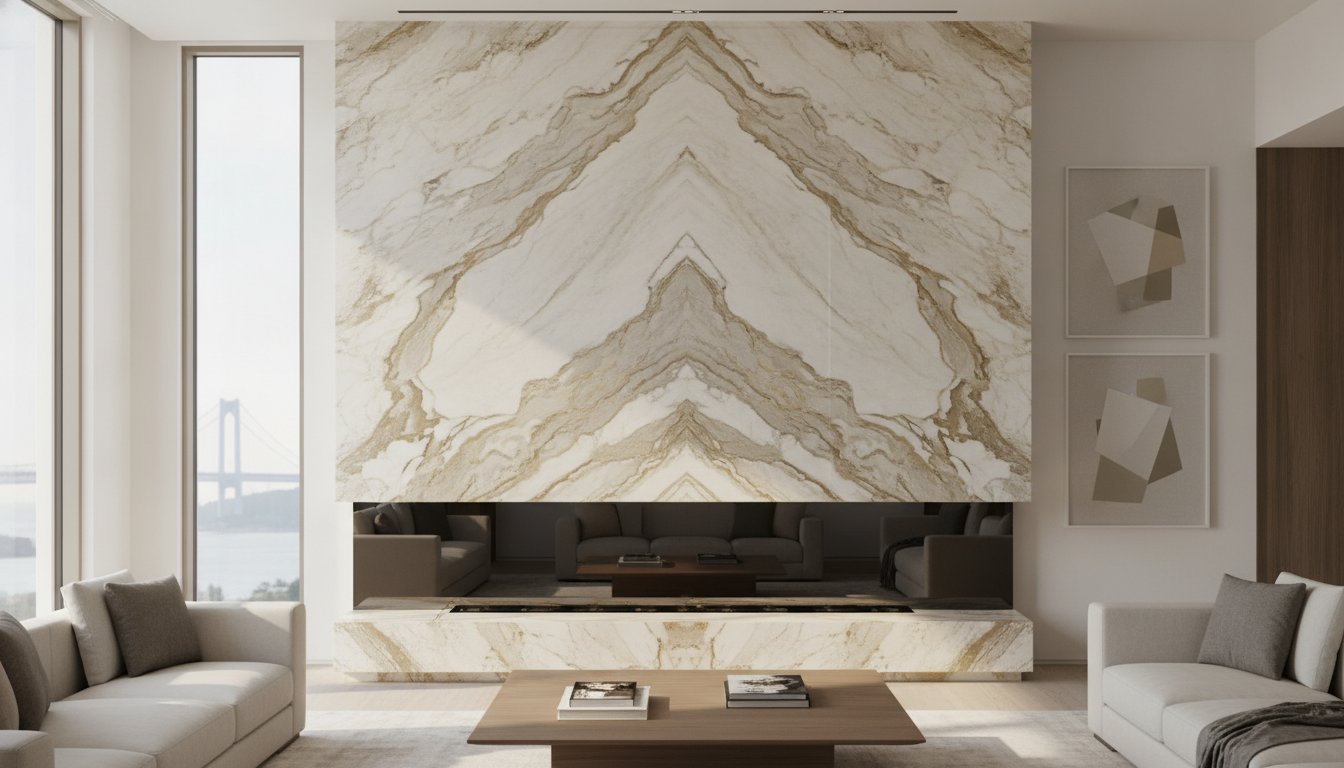

How to Remove Stains from White Quartz: A Master’s Guide to Surface Preservation
Imagine the morning light cascading across your kitchen island, only to catch the silhouette of a stubborn wine ring or a dark coffee blemish. For many homeowners, this sight brings an immediate sense of anxiety, as the fear of permanently marring a significant investment is deeply felt. Learning how to remove stains from white quartz is not merely a cleaning task; it’s a vital part of preserving the quiet luxury and structural integrity of your home. We understand that your surfaces are more than just functional areas. They are curated elements of your personal legacy that require a refined touch.
You deserve a maintenance routine that replaces confusion with the calm confidence of a master artisan. This guide provides the precise, artisan-approved methods required to restore the pristine brilliance of your countertops without the risk of chemical etching or surface dulling. We will explore the balance of gentle chemistry, the nuances of specific stain types, and the clear indicators of when a professional touch is required to maintain the enduring elegance of your stone. By the end of this journey, you’ll possess the knowledge to keep your surfaces as luminous as the day they were first installed.
Key Takeaways
- Understand the unique composition of your countertops to prevent the chemical reactions that lead to permanent discoloration.
- Learn the precise steps for how to remove stains from white quartz using a refined protocol of pH-neutral solutions and warm distilled water.
- Identify the specific household chemicals and abrasive tools that pose a hidden threat to the resin binders within your stone.
- Gain the expertise to distinguish between surface-level blemishes and deep structural damage that requires professional restoration.
The Composition of White Quartz: Why Light Surfaces Discolor
White quartz represents a sophisticated harmony between geological heritage and human innovation. This material is an engineered masterpiece, typically comprising approximately 93% crushed natural mineral and 7% high-performance polymer resins. This specific ratio is what grants the surface its signature clarity and resilience. To truly appreciate the composition of quartz is to understand that it’s not a singular block of stone, but a curated composite. When homeowners seek guidance on how to remove stains from white quartz, they’re often dealing with pigments trapped in the resin matrix rather than the mineral itself.
The Role of Polymer Resins in Stain Retention
The resins act as the invisible architect of your countertop, providing a non-porous finish that resists the daily rigors of a busy kitchen. Yet, these polymers possess a delicate chemistry. Stains on white quartz are frequently the result of a chemical reaction between a spilled substance and the resin binder. For instance, highly acidic liquids or intense heat can cause the resin to “blush” or yellow, creating a mark that mimics a traditional stain but exists beneath the surface polish.
This is why preserving the factory-applied finish is so critical. A compromised polish allows organic dyes from items like turmeric or red wine to create a “shadowing” effect. This discoloration is much harder to rectify than a simple surface spill because the pigment has bonded with the polymer. Regular maintenance ensures that the protective resin remains intact, preventing the deep-seated yellowing that can occur from UV exposure or thermal shock.
Quartz vs. Natural Stone: A Maintenance Comparison
Choosing quartz allows you to step away from the porous legacy of natural stone like marble, which requires constant vigilance and seasonal sealing. Quartz is inherently dense, meaning it doesn’t possess the microscopic fissures that swallow liquids. However, this lack of porosity requires a different mindset centered on surface preservation rather than deep-pore sealing. It’s a shift from reactive repair to proactive stewardship.
In the high-performance kitchens of 2026, the non-porous nature of quartz provides a hygienic, stain-resistant foundation that remains brilliant with only minimal, thoughtful care. Unlike granite or soapstone, quartz doesn’t require traditional chemical sealers to maintain its luster. It relies instead on the permanence of its resin-bound structure to provide a lifetime of elegance. Understanding this distinction is the first step in mastering the care of your white surfaces.
The Artisan’s Protocol for Immediate Stain Removal
True stewardship of a luxury surface begins the moment a spill occurs. When considering how to remove stains from white quartz, the most effective tool in your arsenal isn’t a chemical agent, but rather your immediate response. The goal is to lift the pigment before it has the opportunity to interact with the resin binder described previously. This protocol demands a measured, deliberate approach that prioritizes surface integrity over aggressive friction. By acting with poise, you ensure that temporary accidents don’t become permanent features of your home.
- Step 1: Blot immediately. Place a clean, dry microfiber cloth directly onto the spill. Do not wipe, as this action spreads the liquid and increases the surface area of potential staining.
- Step 2: Prepare the solution. Combine a few drops of pH-neutral dish soap with warm distilled water. Distilled water is essential because it lacks the minerals found in tap water that can leave a cloudy residue on bright white slabs.
- Step 3: Gentle agitation. Dip a non-abrasive sponge into the solution and use light, circular motions. The weight of your hand is sufficient; excessive pressure is unnecessary and counterproductive.
- Step 4: Purify the surface. Rinse the area thoroughly with fresh distilled water. Residual soap film can attract dust and oils, eventually dulling the factory polish.
- Step 5: Final buffing. Use a fresh microfiber cloth to buff the surface until it’s completely dry. This prevents hard water spotting and restores the stone’s natural radiance.
The Essential Tool Kit for White Quartz Owners
Maintaining a pristine environment requires the right implements. Your kit should include high-quality microfiber cloths, which are superior for lifting oils without scratching. While many rely on tap water, the discerning homeowner uses distilled water to ensure a streak-free finish. For those who value the precision of expert quartz fabrication NYC, we recommend only non-scratch pads specifically approved for engineered stone. If you’re considering a new architectural project, our collection of Quartz Countertops offers the perfect canvas for this level of artisan care.
The “Blot, Don’t Scrub” Philosophy
The physics of stone care are simple yet profound. When you scrub a fresh spill, you’re essentially using mechanical force to drive pigments deeper into the microscopic texture of the resin. This is particularly dangerous with aggressive organic dyes found in red wine or turmeric. By blotting, you utilize capillary action to pull the liquid upward and away from the surface. This technique aligns with Bob Vila’s quartz cleaning methods, which emphasize that patience is often more effective than force. Mastery of how to remove stains from white quartz requires the poise of an artisan, understanding that the most enduring results come from a gentle, steady hand rather than frantic effort.
Targeted Solutions for Persistent Pigments and Scuffs
Even with the most vigilant care, certain pigments can prove remarkably resilient. Mastering how to remove stains from white quartz often involves distinguishing between a chemical bond and a simple surface deposit. When standard soap and water fail to restore the stone’s original luster, you must transition to more specialized techniques. These methods require a heightened level of precision to ensure that while the blemish is removed, the delicate resin matrix remains undisturbed. It’s a process of refinement that honors the material’s integrity while demanding a pristine result.
For dried substances such as candle wax, droplets of paint, or hardened food, mechanical removal is the most prudent first step. Rather than reaching for harsh solvents, use a plastic putty knife to gently lift the material. Hold the tool at a shallow angle and apply steady, even pressure. This physical approach avoids the risk of chemical etching. If an organic shadow remains after the bulk of the material is gone, a gentle poultice made from baking soda and distilled water can be applied. This mixture draws the pigment out of the surface through a slow, safe absorption process, a technique often highlighted in the Natural Stone Institute care and cleaning guide as a foundational principle for deep restoration.
Lifting Ink and Adhesive Residue
Ink and permanent markers present a unique challenge because their carriers are designed to penetrate surfaces. To address these, isopropyl alcohol is a powerful yet potentially volatile ally. You should never pour alcohol directly onto the slab. Instead, dampen a cotton swab and target the mark with surgical precision. This prevents the solvent from spreading the pigment further into the stone’s texture. Once the mark has vanished, neutralize the area immediately with fresh water. This step is vital because prolonged exposure to concentrated solvents can soften the resin binders, leading to a permanent loss of factory polish.
Managing “Metal Marks” on Light Slabs
Many homeowners mistake grey, wispy streaks for deep stains, when they’re actually metal deposits left behind by stainless steel pots or cast-iron pans. These occur when the metal, which is softer than the quartz mineral, literally rubs off onto the surface. This phenomenon is particularly common on custom countertops Staten Island that feature a matte or honed finish, as the slight texture of the stone acts like a fine file. To resolve this, use a soft liquid cleanser specifically formulated for stone. Apply it with a microfiber cloth and use light, circular motions to lift the metal particles without scratching the underlying resin. Understanding this nuance is essential for anyone learning how to remove stains from white quartz, as it prevents the use of unnecessary and potentially damaging chemicals.

Safeguarding the Luster: Chemicals and Tools to Forgo
True stewardship of a premium environment requires a keen understanding of what to avoid. While we’ve discussed the protocol for lifting pigments, the long-term brilliance of your surface depends on excluding aggressive agents that can cause irreparable harm. Many homeowners, in a moment of frustration over how to remove stains from white quartz, reach for household staples that are far too abrasive for the material’s refined chemistry. The integrity of your countertop is a balance of mineral strength and polymer resilience; once that balance is disrupted, the damage is often permanent.
Avoid any cleaning agent that sits at the extreme ends of the pH scale. Highly acidic substances and highly alkaline cleaners, such as oven degreasers or floor strippers, are far too volatile for engineered stone. Similarly, you must never allow chemicals containing trichlorethane or methylene chloride to touch the slab. These solvents, frequently found in paint removers, don’t just stain the surface; they chemically dissolve the resin binders that hold the quartz together. This results in a softened, pockmarked texture that ruins the factory finish.
Beyond chemical threats, thermal shock remains a significant risk to white quartz. While the mineral components are heat-resistant, the resins are not. Placing a hot pan or a slow cooker directly onto the surface can cause the material to expand rapidly and unevenly. This leads to surface cracking or a deep, scorched yellowing of the resin matrix. To maintain the enduring beauty of your home, explore our premium Quartz Countertops and pair them with high-quality trivets to ensure your surfaces remain as pristine as the day they were installed.
The Myth of the “Natural” Acidic Cleaner
Digital forums often champion vinegar or lemon juice as safe, eco-friendly alternatives for stone care. This is a dangerous misconception for quartz owners. The acid in these liquids reacts negatively with the resin binder, leading to a phenomenon known as chemical etching. Etching creates a dull, cloudy patch that lacks the reflective quality of the rest of the slab. Unlike a surface blemish, once the resin is etched, it cannot be cleaned back to a shine. It’s a structural change to the surface that no amount of scrubbing will resolve.
Mechanical Damage: Avoiding Abrasive Force
Quartz sits at a 7 on the Mohs scale of mineral hardness, making it exceptionally difficult to scratch with standard kitchen implements. However, the resin binder is significantly softer than the quartz crystals it holds. Using steel wool, scouring powders, or “Magic Erasers” introduces millions of microscopic scratches into the resin. These micro-scratches act as tiny reservoirs for oils, dust, and dyes, making the surface look perpetually dingy and grey. In the modern kitchen, the most effective tools are always the gentlest; a soft cloth and a steady hand are all that’s required for a lifetime of brilliance.
Beyond DIY: When to Seek Professional Stone Restoration
While the artisan protocols we’ve shared are effective for daily care, there are moments when the integrity of the stone requires a higher level of intervention. Understanding how to remove stains from white quartz often leads to the realization that some blemishes aren’t surface pigments, but rather structural alterations to the resin matrix itself. When you encounter deep yellowing from UV exposure, cloudy etching from acidic cleaners, or fine surface cracking, the time for home remedies has passed. These issues signal that the factory polish has been compromised, requiring the specialized touch of a master to restore the surface to its original brilliance.
Professional restoration involves a meticulous diamond polishing process. This isn’t a simple cleaning; it’s a controlled resurfacing that uses progressive grits of diamond-impregnated pads to remove the damaged layer of resin and reveal the pristine material beneath. For homeowners in Staten Island and across NYC, this service represents a vital investment in the longevity of their environment. A professional deep clean and buff can breathe new life into aging slabs, removing the cumulative dullness of years and returning the stone to its aspirational luster. It’s a transformative process that restores the quiet confidence of a spotless home.
The Limits of Home Maintenance
To determine if your surface needs professional care, you can perform a simple water bead test to check surface integrity. Place several drops of distilled water on a clean area; if the water fails to bead and instead spreads into the surface texture, the resin’s protective qualities have diminished. Often, what appears to be a stubborn stain is actually a microscopic chip or fissure that has gathered debris over time. These require a precision resin-fill repair that matches the exact hue and translucency of your specific slab. With 30 years of family-owned expertise, our artisans understand the delicate chemistry of engineered stone, ensuring that every restoration honors the heritage of the material.
Consulting the Master Artisans
If you’re uncertain about the condition of your countertops, we invite you to share high-resolution photographs of the affected areas for a preliminary expert assessment. This personalized approach is a hallmark of our commitment to quality, mirroring the meticulous detail found in Richmond Stone’s NYC renovations. Whether you’re seeking to preserve an existing piece or are ready to integrate bespoke cabinetry with new, luminous surfaces, our team provides the poise and precision your home deserves. For professional surface restoration and design that transcends the ordinary, contact Richmond Stone today to begin your journey toward a restored, radiant environment.
Preserving the Luminous Legacy of Your Home
Mastering the art of surface preservation ensures that your environment remains a sanctuary of elegance. By understanding the delicate balance between natural minerals and polymer resins, you’ve gained the knowledge to protect your investment from the inside out. Whether you are employing the artisan’s protocol for daily spills or navigating how to remove stains from white quartz that require a more targeted touch, your commitment to gentle care will sustain the stone’s radiance for generations. True luxury is found in these quiet details of stewardship.
When a project demands the expertise of a master, Richmond Stone stands as the premier guardian of your architectural vision. With over 30 years of family-owned stone expertise across NYC and NJ, our master fabricators specialize in the most refined quartz and natural stone applications. We provide a comprehensive experience that spans from initial sourcing to meticulous on-site installation. Restore the brilliance of your surfaces with Richmond Stone and ensure your home reflects the uncompromising quality it deserves. Your journey toward an enduringly beautiful environment is a testament to the artistry of the natural world.
Frequently Asked Questions
Can I use bleach on my white quartz countertops if the stain is very dark?
You should avoid using bleach, as it is far too aggressive for the polymer resins that bind engineered stone. While it might seem like a quick solution for dark pigments, it often results in chemical etching or a permanent loss of the factory finish. Instead of reaching for harsh oxidizers, stick to pH-neutral solutions or specialized stone cleaners. This ensures the structural integrity and aesthetic brilliance of your surface remain uncompromised over time.
Why did my white quartz turn yellow near the window?
The subtle yellowing you observe is likely the result of prolonged exposure to ultraviolet rays. While the mineral quartz is stable, the polymer resins used as a binder can undergo a chemical change when subjected to direct sunlight. This is why white quartz is best suited for indoor environments away from intense, unfiltered UV light. Professional diamond polishing can often remediate this surface-level discoloration, restoring the stone’s original, cool white hue and pristine clarity.
Is it safe to use vinegar and baking soda to clean quartz?
You should avoid vinegar entirely, as its acidity can etch the resin and create dull, cloudy patches on the surface. Baking soda, however, is a safe and effective tool when used correctly. When mixed with distilled water to create a paste, it acts as a gentle poultice to draw out organic pigments. This combination offers a refined alternative to the abrasive chemicals found in many commercial cleaners that risk micro-scratching the polished resin finish.
How do I remove a “shadow” or ring left by a coffee mug?
A persistent coffee ring is often a sign that organic oils have bonded with the surface resin. To address this, apply a paste of baking soda and distilled water directly to the shadow and let it sit for several hours. This slow, steady process is the most reliable method for how to remove stains from white quartz without resorting to damaging force. Once the paste dries, wipe it away gently with a clean microfiber cloth.
What is the best daily cleaner for white quartz in 2026?
The most effective daily cleaner for white quartz in 2026 remains a simple mixture of warm distilled water and a few drops of pH-neutral dish soap. Distilled water is particularly important for bright white slabs because it lacks the minerals that cause cloudy buildup or streaks. This gentle approach preserves the factory luster and prevents the accumulation of soap film, which can trap dust and make the surface appear prematurely aged or dull.
Can a professional fabricator remove a permanent ink stain from quartz?
A master fabricator possesses the specialized tools and solvents required to lift permanent ink without spreading the pigment further into the stone. If a stain has penetrated deeply into the resin matrix, professional diamond polishing can resurface the area to a factory-fresh finish. This level of restoration is far safer than DIY attempts with heavy solvents, which can permanently soften the resin binders and ruin the visual harmony of your custom countertops.
Why does my quartz have grey streaks that won’t wash off with soap?
Those grey streaks are typically metal deposits rather than true stains. When stainless steel or cast-iron cookware rubs against the hard quartz minerals, the metal literally shears off and settles into the surface texture. This is especially common on honed or matte finishes. You can lift these deposits using a soft liquid cleanser and a microfiber cloth, applying light, circular pressure to remove the metal particles without harming the stone’s underlying resin finish.
Does white quartz stain more easily than granite or marble?
White quartz is significantly more stain-resistant than granite or marble due to its non-porous, engineered structure. Unlike natural stone, it doesn’t possess microscopic fissures that swallow liquids. However, because the surface is a brilliant, uniform white, any organic pigment or metal mark will be more visually prominent. The challenge isn’t that quartz stains more easily, but that its pristine clarity demands a more disciplined and observant maintenance routine to keep it looking flawless.