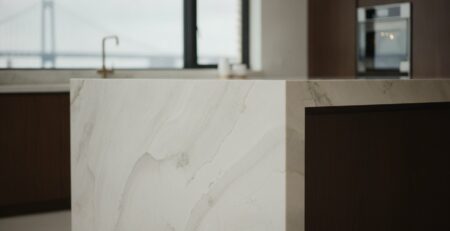

Silestone Countertops in 2026: The Master Artisan’s Guide to Premium Quartz
The most enduring surfaces in a modern home aren’t always found in a remote quarry, but are instead forged through the deliberate, manual refinement of the natural world. For the discerning homeowner in Manhattan or the sprawling estates of New Jersey, the quest for the perfect surface often ends with a realization that beauty shouldn’t be fragile. You’ve likely admired the deep, evocative veining of natural stone while simultaneously fearing the inevitable etching and staining that comes with daily life. This is where Silestone countertops bridge the gap, offering a sophisticated canvas that mirrors the artistry of nature while providing a level of permanence that raw minerals alone cannot achieve.
We understand that choosing a centerpiece for your kitchen involves more than just selecting a color from a catalog. It requires a partner who respects the heritage of the craft. In this guide, you’ll discover how the latest HybriQ+ innovations and the low-silica Silestone XM line are redefining luxury for 2026. We’ll examine the shift toward warmer, honey-toned palettes and provide the technical clarity needed to choose the right edge profiles for your space. From understanding sustainable manufacturing to mastering the logistics of a flawless installation in a complex NYC layout, this is your roadmap to a lasting architectural legacy.
Key Takeaways
- Understand how HybriQ+ technology transforms Silestone countertops into a sustainable, high-performance hybrid surface that meets the rigorous environmental standards of 2026.
- Learn why these engineered surfaces now rival the aesthetic depth of natural marble while offering the superior stain and acid resistance required for active kitchens.
- Identify the 2026 color trends and tactile finishes, from Suede to Volcano, that allow for a deeply personalized and sensory expression of luxury.
- Recognize the necessity of master fabrication and laser-precision templating to ensure a seamless fit within the unique architectural constraints of NYC and NJ residences.
Defining Excellence: Why Silestone Countertops are the Standard for Modern Interiors
Silestone has transcended its origins to become a definitive statement in contemporary architecture. In the high-stakes world of NYC interior design, where every square foot must justify its existence, Silestone countertops provide a rare equilibrium between aesthetic purity and industrial resilience. Designers from the Upper East Side to the NJ Gold Coast favor these surfaces because they offer a level of consistency that natural stone often lacks. This reliability ensures that the vision conceived in a studio is exactly what is realized in the sanctuary of a client’s home. It’s an understated luxury that doesn’t shout for attention but instead commands it through quiet confidence and a flawless finish.
The Composition of a Masterpiece
The excellence of modern Silestone lies in its evolution into a true hybrid surface. It’s no longer categorized simply as traditional quartz. Instead, it is a meticulously calibrated blend of premium minerals and a minimum of 20% recycled materials, such as glass, all bound together by high-performance resins. This sophisticated Engineered stone creates a non-porous barrier that defies the common vulnerabilities of the kitchen, such as deep-pigmented wine spills or abrasive citrus acids. Choosing Silestone countertops means investing in a material that is as much a product of technological precision as it is of natural inspiration. By 2026, the industry has shifted toward “hybrid” as the standard terminology, reflecting a surface that remains impervious to the passage of time while maintaining its lustrous, tactile appeal.
A Legacy of Innovation in Stone
The journey from a humble granite alternative to a global design leader has been marked by a relentless pursuit of refinement. Silestone’s history is rooted in solving the practical limitations of natural slabs without sacrificing the emotional impact of their beauty. The introduction of HybriQ+ technology represents the pinnacle of this legacy. It prioritizes sustainability by utilizing 100% renewable energy and 99% recycled water during the manufacturing process. This shift hasn’t diluted the material’s aesthetic depth. Rather, it has added a layer of ethical prestige that resonates with the modern collector who values both heritage and the future of the planet. These advancements ensure that each slab is not just a building material, but a curated piece of functional art. Silestone stands as the intersection of geological beauty and human ingenuity.
The Science of Sophistication: HybriQ+ Technology and Performance
True luxury in 2026 is measured by the invisible engineering that supports a visible masterpiece. While many surfaces offer a fleeting beauty, Silestone countertops are defined by a molecular integrity that ensures their brilliance remains untarnished by the rigors of a modern, active lifestyle. This performance is largely due to HybriQ+ technology, a manufacturing revolution that has replaced traditional production methods with a more sustainable, high-performance process. Unlike lower-grade quartz imports that often rely on inconsistent resin ratios and fillers, Silestone maintains a rigorous standard of purity. This results in a slab that is not only denser and more resilient but also possesses a depth of color that cheaper alternatives cannot replicate.
The introduction of N-Boost technology further elevates these surfaces by modifying the material’s surface at a molecular level. This innovation enhances the liquid-repellent properties of the stone, causing water and oils to bead on the surface rather than penetrating the material. It also increases the vibrance of the pigments, making the deep charcoals feel more profound and the translucent whites more luminous. For those seeking to integrate these high-performance slabs into their own architectural vision, exploring our collection of quartz countertops is the first step toward a refined home.
Sustainability as a Design Standard
In the current design landscape, environmental stewardship is no longer an optional feature; it’s a prerequisite for prestige. The HybriQ+ process utilizes 100% renewable electricity and 99% recycled water, effectively saving up to 643 m3 of water per day during production. Each slab incorporates a minimum of 20% recycled materials, such as glass, which adds a layer of narrative depth to the stone. Owners can take pride in knowing their kitchen’s centerpiece was crafted with a profound respect for the planet’s resources, aligning their personal aesthetic with a global responsibility.
Unyielding Durability for the Active Kitchen
The practical benefits of Silestone are most evident in the heat of a busy kitchen. Its non-porous nature provides an absolute defense against common household threats like red wine, lemon juice, and coffee. While natural marble requires periodic sealing to maintain its defenses, Silestone offers a “never-seal” advantage that simplifies home maintenance without compromising on elegance. It’s built to withstand high-traffic wear and impact, ensuring that the edges remain crisp and the surface remains smooth for decades. Silestone’s molecular bond prevents bacterial growth naturally. This inherent hygiene, combined with its resistance to harsh chemicals, makes it the premier choice for environments where health and beauty are equally prioritized.
Silestone vs. Natural Stone: Navigating the Choice for Your 2026 Remodel
Choosing between a slab born of geological millennia and one refined by modern hands is a decision of both heart and utility. For many, the profound allure of natural stone lies in its raw history, where every fissure and mineral deposit tells a singular story of the earth’s past. However, Silestone countertops offer a different kind of prestige. They provide a high-performance alternative that captures the visual essence of the world’s most sought-after quarries while eliminating the inherent vulnerabilities of porous rock. It’s not a matter of one being superior, but rather which material aligns with your lifestyle and the architectural legacy you wish to build within your home.
The Aesthetic Comparison: Marble-Look Quartz
The Eternal collection has mastered the art of aesthetic mimicry, successfully replicating the sweeping, dramatic veining found in Calacatta and the delicate, feathered textures of Carrara. For large-scale custom countertops in Staten Island or expansive NJ estates, this consistency is invaluable. Unlike natural marble, where two slabs from the same block may differ wildly, Silestone ensures a rhythmic flow across expansive islands and complex backsplashes. You’re choosing between the “perfect” manufactured slab, which guarantees a specific design intent, and the “unique” natural slab, which offers the unpredictable charm of nature’s own handiwork.
Functional Differences in High-Traffic Zones
Beyond the visual, the functional divergence becomes apparent in the daily rhythms of a kitchen. While granite is famously heat-resistant, marble is notoriously sensitive to acids and pigments. Silestone countertops offer a middle ground of extreme resilience. They handle professional cutlery with ease and resist the “etching” that plagues marble surfaces after contact with lemon juice or vinegar. While we always recommend using trivets for hot cookware to protect the high-performance resins, the material’s overall durability is unmatched in high-traffic zones.
There is a quiet confidence in hosting a dinner party knowing that a spilled glass of Bordeaux won’t result in a permanent scar on your surface. This luxury of time, reclaimed from the endless cycle of sealing and meticulous repair required by natural alternatives, is perhaps the most compelling argument for the hybrid choice. It allows the homeowner to focus on the art of living rather than the labor of maintenance, ensuring the kitchen remains a sanctuary rather than a source of concern.

Curating Your Aesthetic: Selecting the Perfect Color and Texture
A home’s atmosphere is defined by the subtle interplay of light, shadow, and surface. Selecting Silestone countertops is not merely a functional choice; it’s a commitment to a specific sensory experience. In 2026, the design world has moved away from the clinical, stark whites of the past decade. Instead, we see a profound return to organic warmth. Earth tones, deep charcoals, and translucent whites that offer a sense of geological depth are the new hallmarks of prestige. These palettes don’t just fill a space. They anchor it, providing a foundation for the entire interior narrative.
Texture as a Design Element
The tactile nature of a surface is as vital as its hue. Texture dictates how light behaves and how the material feels beneath the hand. The Suede finish has become the definitive choice for contemporary, “quiet luxury” spaces, offering a matte touch that absorbs light and minimizes glare. For smaller NYC kitchens where every lumen counts, the Polished finish remains essential. It maximizes reflection, creating an illusion of expanded volume. Meanwhile, the Volcano finish provides a rugged, tactile dimension that is particularly suited for outdoor kitchen surfaces. Its weathered appearance evokes the raw power of natural elements while maintaining the material’s inherent resilience.
Color Palettes for the NYC Metro Area
The diverse architectural heritage of the NYC metro area requires a nuanced approach to color. In the industrial lofts of Brooklyn, concrete-look Silestone provides a refined take on urban chic, balancing raw aesthetics with sophisticated performance. For the grand estate kitchens of Staten Island, bright, translucent whites remain a staple of classic elegance, offering a timeless backdrop for family gatherings. Manhattan penthouses often demand a bolder statement. Dark, moody quartz bar tops create a sense of nocturnal glamour, especially when paired with metallic accents and thoughtful lighting. Each region has its own rhythm, and the material must reflect that unique pulse.
Achieving a cohesive design requires a holistic view of the room’s elements. We often guide our clients to pair their chosen slabs with custom kitchen cabinets to ensure the grain and tone of the wood complement the veining of the stone. It’s vital to remember that a four-inch sample cannot convey the true soul of a material. To appreciate the scale and movement of the veining, one must view the full slab. We invite you to schedule a consultation with Richmond Stone to see these magnificent surfaces in person and begin the journey of curating your own masterpiece.
From Slab to Sanctuary: The Richmond Stone Fabrication and Installation Process
A raw slab of Silestone is a promise of potential, but it is the hand of the master artisan that transforms it into a functional masterpiece. Even the most technologically advanced Silestone countertops require a level of craftsmanship that transcends basic cutting and polishing. At Richmond Stone, we view our role as the bridge between industrial innovation and architectural realization. Our specialized approach to quartz fabrication in NYC ensures that every vein is aligned and every edge is honed with a precision that honors the material’s heritage. For over 30 years, we’ve refined this process to meet the exacting standards of the region’s most prestigious homes.
The Precision of Laser Templating
Older NYC buildings and NJ estates often possess architectural idiosyncrasies that challenge standard measurements. Walls are rarely perfectly plumb; floors often lean with the grace of age. Our process begins with digital laser templating, a non-negotiable step that captures every nuance of your space with sub-millimeter accuracy. This precision is essential for the seamless integration of under-mount sinks and modern, integrated appliances. It also allows us to manage the complex logistics of high-rise installations, where navigating tight elevators and strict building protocols requires a steady, experienced hand. We ensure the fit is perfect before the stone ever leaves our facility.
Artisanal Finishing and Professional Installation
While technology provides the framework, the final refinement is strictly human. Our artisans hand-finish every seam, utilizing color-matched resins to ensure they are virtually invisible to the naked eye. We offer a curated selection of custom edge profiles, from the clean, geometric lines of an “Eased” edge to the ornate, traditional curves of an “Ogee”. Each profile is polished to a mirror-like consistency that matches the slab’s original luster, ensuring a tactile experience that is as smooth as it is beautiful.
Our white-glove installation experience across Staten Island and the NJ metro area is designed to be as unobtrusive as it is efficient. We respect the sanctity of your home, ensuring that the transition from construction site to sanctuary is handled with quiet poise. The final walkthrough is more than a formality; it’s our commitment to the enduring elegance of your environment. We don’t just install a surface. We anchor a legacy that will serve your family for decades, providing the confidence that only a master’s touch can deliver.
Elevating Your Home’s Architectural Legacy
The evolution of Silestone countertops represents a significant milestone in the history of interior design. By harmonizing the raw elegance of natural minerals with the precision of HybriQ+ technology, these surfaces offer a level of permanence that matches the pace of modern life. You’ve seen how the right choice in color and texture can anchor a room, but the true transformation occurs during the fabrication process. It’s the meticulous templating and artisanal finishing that turn a premium slab into a seamless sanctuary.
At Richmond Stone, we’ve spent over 30 years as a family-owned guardian of these natural elements. Our master artisans specialize in the full lifecycle of custom stone, serving the entire NYC and NJ metro region with a commitment to uncompromising quality. We invite you to begin your journey toward an enduring kitchen with a Richmond Stone consultation. Whether you’re refining a Manhattan loft or a Staten Island estate, your vision deserves the steady hand of an expert. We look forward to helping you create a masterpiece that stands the test of time.
Frequently Asked Questions
Is Silestone more expensive than other quartz brands in 2026?
Silestone is positioned as a premier investment within the luxury market, reflecting its advanced HybriQ+ technology and the artisanal skill required for its fabrication. While it sits at a higher tier than mass-produced quartz imports, the value lies in its longevity and reduced environmental impact. Choosing Silestone countertops through a master fabricator ensures that the cost reflects a comprehensive lifecycle of supply, precision templating, and professional installation.
Does Silestone require a specific type of cleaning product?
No specialized or aggressive chemicals are required to maintain the material’s lustrous finish. The non-porous surface is inherently resistant to bacteria and stains, meaning a simple solution of mild soap and warm water is typically sufficient for daily care. We recommend avoiding bleach or highly acidic cleaners, as they can eventually dull the high-performance resins that protect the surface. A soft microfiber cloth will preserve the stone’s depth and tactile quality.
Can I use Silestone for my outdoor kitchen in the New Jersey climate?
Yes, specific applications of Silestone countertops are suitable for outdoor use, provided they’re selected with the New Jersey climate in mind. While many quartz materials are sensitive to direct UV rays, certain finishes are better equipped to handle temperature swings. We evaluate the specific layout of your outdoor kitchen to determine if Silestone or another high-performance surface from our collection will best preserve its beauty against the local elements.
What is the difference between Silestone’s Suede and Polished finishes?
The Polished finish is the classic choice for those who desire a brilliant, reflective surface that enhances the play of light within a room. In contrast, the Suede finish offers a sophisticated matte texture that’s soft to the touch and minimizes the appearance of fingerprints or water spots. While Polished finishes offer a more traditional luxury feel, Suede is increasingly favored for contemporary designs where tactile depth is prioritized over high-gloss shine.
How long does the fabrication and installation process typically take?
The journey from a raw slab to a finished sanctuary typically spans one to two weeks following the final laser templating. This duration allows our artisans the necessary time to meticulously cut, hand-finish the edges, and ensure every seam is perfectly aligned. For complex NYC high-rise projects or expansive NJ estates, we coordinate the logistics with precision to minimize disruption while maintaining our uncompromising standards for a flawless installation experience.
Does Silestone come with a manufacturer warranty?
Silestone is backed by a 25-year limited manufacturer warranty, providing long-term peace of mind for your investment. This coverage underscores the brand’s confidence in the material’s durability and the innovative HybriQ+ manufacturing process. As your trusted partner, we ensure that every installation meets the manufacturer’s rigorous specifications, protecting the validity of the warranty and the enduring beauty of your custom surfaces for decades to come.
Can Silestone be repaired if it gets chipped or cracked?
While the material is exceptionally dense and resilient, minor chips or scratches can be professionally restored by a master fabricator. We use color-matched resins and specialized polishing techniques to seamlessly blend the repair into the surrounding stone, making the blemish virtually invisible. It’s important to avoid DIY stone repair kits, as they rarely achieve the level of precision required to maintain the prestigious finish of a premium hybrid surface.
Is Silestone truly heat resistant for professional-grade kitchens?
Silestone offers high resistance to heat, making it suitable for the active environment of a professional-grade kitchen. However, it’s not entirely heat-proof; sudden thermal shock from a pot taken directly from a high-flame burner can damage the protective resins. We always advise using trivets or hot pads to protect the surface’s integrity. This simple precaution ensures that the molecular bond of the stone remains stable and the finish remains untarnished by scorched marks.